Rigatoni à la Bordelaise with Bordeaux

TalesoftheCork wine reviews
bordeaux1
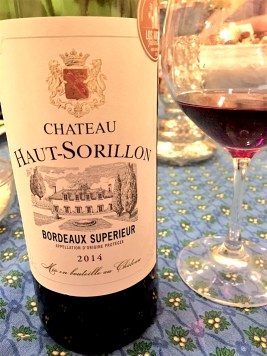
After reading about the Chateau Haut-Sorillon Bordeaux Superieur online, I decided to try the 2014 version with a classic French dish.

While I often shop at Trader Joe’s for staples, I rarely purchase wine from them. However, after repeatedly hearing from a number of followers and seeing a few of their choices on blogs online, a bottle of Chateau Haut Sorillon Bordeaux Superieur 2014 ended up on our table last night.

A Trader Joe’s find at $8.95, the Chateau Haut Sorillon Bordeaux Supérieur 2014 medium bodied dry Bordeaux is not a special occasion or weekend wine per se, but it seemed to fit what I was looking for as Geena and I were preparing a French inspired dinner: Rigatoni à la Bordelaise with mushrooms.

While the wine is not as rich and lush as a classic Bordeaux, my intent was to pair our Rigatoni with a wine that might match up with an “everyday dish” that folks could make without a lot of pretense. And, for the most part, this value wine fits the bill.

Now, I’m not saying I’d skip on the opportunity for a higher value Merlot, but for the simple, earthy one pan meal, we enjoyed the Chateau Haut Sorillon Bordeaux Supérieur 2014.

However, here’s a TalesoftheCork tip: Definitely open your bottle hours in advance as the wine will be tight and needs to open up. We gave it three hours but as the evening went on, the Merlot blend got smoother and allowed the dark fruit flavors to advance. Patience helps. Open early. I might even try the night before next time.

rigatoni-800
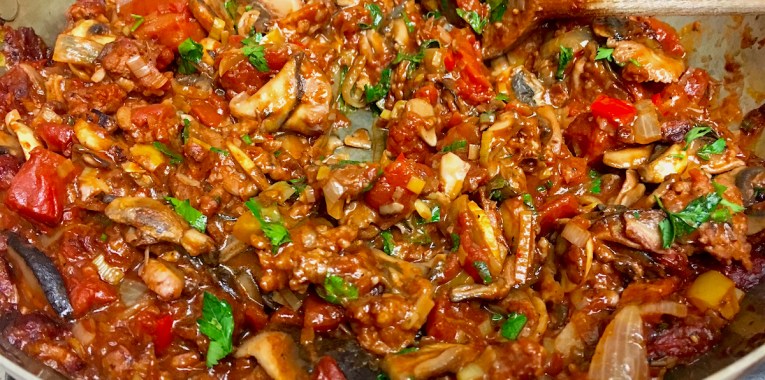
Rigatoni à la Bordelaise and mushrooms.

The light style 80% Merlot and 20% Cabernet blend is from a family estate 5 km from St. Emilion, France, will show its fresh dark fruit, pepper and spices and a dry finish, highlighting a good but thin blackberry and smoky finish. It is a value buy but went well with our Tuesday Rigatoni à la Bordelaise and mushrooms.

While we looked up a few recipes, Geena and I created our own version of the dish based on the  Manger site recipe by Mimi Thorisson.

Heat 2 table spoons of olive oil add cook one finely chopped leek and 3 cloves of minced garlic in a hot pan. Cook 3 minutes or until golden.

In a separate pan fry the pancetta and/or thickly sliced bacon to crisp them until brown.  Then add a tablespoon of flour to the leeks, garlic and the bacon bits to help thicken.

Add tomato passata (ready cut plain diced tomatoes) to the leeks, garlic and bacon mixture. Cook on low heat for 10-15 minutes.

Later we added 1/3 cup chicken broth and 3/4 cup red wine (the Chateau Haut-Sorillon Bordeaux) along with butter, pepper, salt and a pinch of Chipotle chili pepper to create a saucy soup-like mixture. But it is important to reduce the mixture over medium to low heat up and simmer for 30 minutes so it is lush but not runny.

Many will fry or cook the mushrooms (we used dried porcini and shiitake mushrooms) in a separate hot pan with butter and garlic to sear and cook those earthy items until golden and add to the other mixture.

dinner
The earthy flavors of the Rigatoni à la Bordelaise with mushrooms pairs well with the Chateau Haut Sorillon.

As the mixture is reducing, boil your water and cook the rigatoni. While you are waiting, you might start your meal with a garden salad. Dry the rigatoni and dish the mixture over the pasta, stirring the sauce in. Sprinkle with Parmesan, fresh parsley, and salt and pepper to taste. Serve hot.

With a long decant the Chateau Haut Sorillon Bordeaux Superior 2014 wine will pair well with chicken and meat dishes as well as cheese and charcuterie plates. This is a good party wine with finger foods as well. A Trader Joe’s value wine from $7-9.

Be sure to read the previous TalesoftheCork blog post: Simple Caprese lunch with Emmolo SauvBlanc. And if winemakers, wineries or restaurants are interested in a TalesoftheCork wine and/or food review on the blog, InstagramTwitter and/or Facebook, please send us a request via email: talesofthecork@gmail.com or use DM on social media. TalesoftheCork also offers social media seminars for businesses.

Grocery list for Rigatoni à la Bordelaise with mushrooms:

1 pound of rigatoni pasta
7 slices of thick bacon or pancetta (diced)
8 ounces of porcini mushrooms,
8 ounces of shiitake mushrooms
2 leeks (finely chopped)
4 garlic cloves (finely minced, 2 for the sauce, 2 for the mushrooms)
1 15-ounce can of ready cut plain diced tomatoes
3/4 cup red wine (I used the Chateau Haut Sorillon Bordeaux Superior 2014)
14 ounce can of chicken broth
1 tbsp plain flour
Olive oil (for frying)
1 tbsp butter (for mushrooms)
1 tbsp butter (for pasta)
Salt and pepper (for seasoning)
1 pinch chilli powder
Grated parmesan cheese (for topping)
Parsley to garnish

 

TalesoftheCork pre travel checklist for overseas visit

Help ensure a successful trip with these 17 touring tips

Whether you are a seasonal traveler or first time planner, a trip abroad is best when the pre planning stage is meticulous and calculated. Ever wonder why seasoned travelers seem to be at ease before they go abroad? Use this TalesoftheCork pre travel checklist and 17 touring tips before your next foreign country visit.

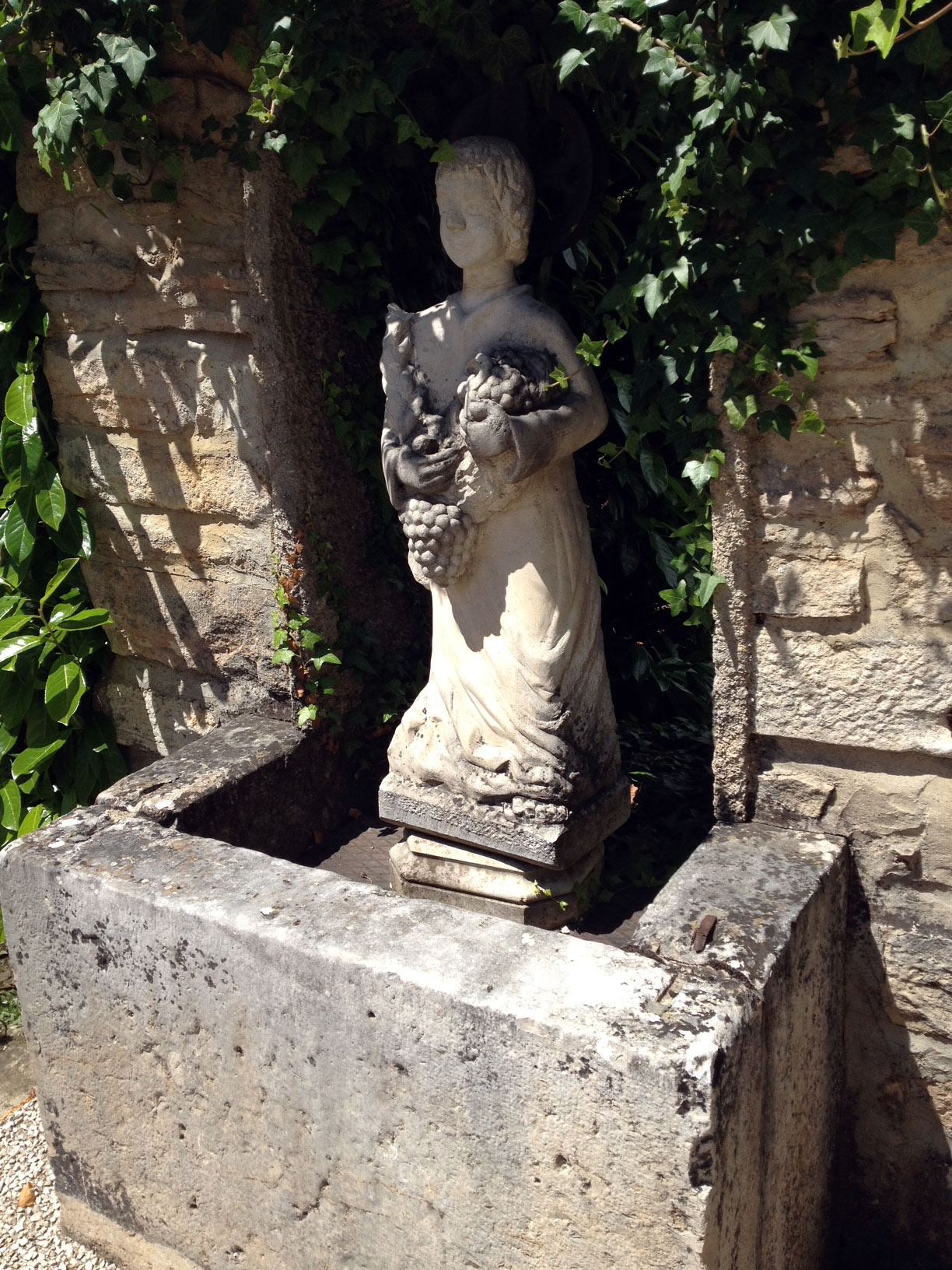
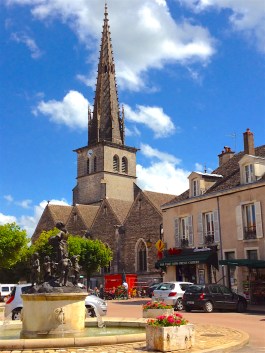
Whether you are traveling to Mersault, France (pictured), or Sydney, Australia, preparation can be the key to a successful trip abroad.

1) Use Safari Private Window or Chrome Incognito window when checking on flights, hotels and other websites you repeatedly use. Revisiting websites can result in higher costs.

2) While your can book flights up to 11 months in advance, a good rule of thumb is to buy a domestic flight anywhere from three months to 30 days in advance: 47-54 days typically is the prime booking window. Consider buying international flights 276-335 days in advance and buy a flight on a Tuesday or Wednesday.

However there is no magic potion here. Start watching flight costs and pull the trigger when it appears close to the optimal amount you care to pay. If you see a good deal, grab it.

3) Consider buying an “open jaw” flight when booking travel. Fly into one city and return from another. The airfare may actually be cheaper. Also check out budget airlines while overseas.

4) Do your homework. Check guidebooks and “know before you go” something to see or do each day. Many sites require reservations. And give yourself time to walk, take a train or bus, and food breaks in between sights you hope to visit. Rushing on vacation reduces a holiday to “worse than work” status.

5) Know the address and phone number of your embassy in the city and/or country you are visiting before you leave.

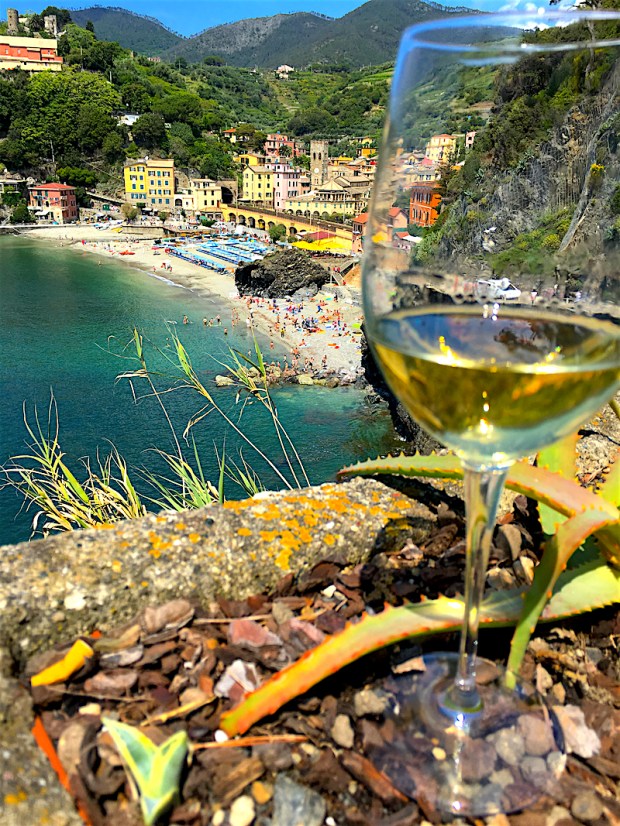
monterossobeach
Another tip for travelers: When walking a town or village, take the time to explore views of the area from a high point. 

6) An adult passport is currently $110 and apply for your passport at least six weeks before you need it–add $25 for a first time passport. When applying for a passport, you will need an original copy of your birth certificate and two identical passport photos. If your passport will expire within three months of your trip ending, you are encouraged to get a new passport before you leave.

7) The U.S. Passports and International Travel site has a 10-point checklist before you travel overseas. Take the time to photocopy all documents, leaving a copy at home and another with a traveling companion, securing supplemental health/travel insurance, a letter from your physician for the medications you are bringing, check to see if you need a Visa for the country you are visiting at time of travel and if there are any travel warnings.

Manarola
Explore regions which might challenge you like a visit to Liguria and the Cinque Terre, including Manarola (pictured). With a little planning and preparation, your next trip can be a success.

8) Contact your bank(s) and alert them you will be out of the country using your bank card. You don’t want them thinking it was stolen.

9) While it may be good idea have some local currency if traveling to a small airport overseas, the world uses ATMs and are widely available to exchange money using your debit card. You may be charged a 1% fee by your bank, but the rate of exchange should be close. The “no-fee” Bureau de Change exchange rates at the airport and in currency exchange kiosks are poor compared to bank rates. So, if you must, change only exchange enough money for your first day in a foreign country. You can use your ATM and bank cards to pull cash from your checking accounts when you get to your destination. Additionally, check with your bank card and inquire as to fees they charge for each use. It is probably better to use your VISA for purchases and ATM card for foreign currency withdrawal.

10) Most of us now take our phone with us wherever we go. Make sure you contact your mobile provider to secure a plan for overseas use. Discuss international calling, text, and/or data plan, and confirm voice and data-roaming fees.

11) Download the travel apps you hope to use on your trip before you leave. They are wonderful to use in WiFi and are a wealth of information.

12) Make a list of what is in your suitcase and photocopy it, giving a copy to your traveling partner and leave one at home. You might even write out serial numbers on pricer items and take photos of them.

LeaningTower
While travel destinations and preferences may change, if you take an active part-time student role for each trip, you can self-guide your way to a relaxed vacation.

13) Leave a travel itinerary with someone at home and include the phone numbers and addresses of the hotels you plan on using.

14) Cancel or put on hold your mail, newspaper. Consider paying  bills ahead of time.

15) If you plan on renting a car, most countries require an International Driver’s Permit (IDP). You can secure one at most AAA offices. You will need two passport photos, a fee of $20 and show the clerk your state driver’s license. Fill out the application online, print it and bring it along for quicker processing.

16) Rail Europe has a great site for buying tickets ahead of time. You will save time rather than waiting in line at the station. You might consider longer trips via train.

17) Finally, while experienced travelers may opt not to use a passport or money belt, it is a good idea to use one. Especially in tourist areas and big cities, pickpockets and thieves prey on the naive and unsuspecting tourists. I used a money belt and/or a neck pouch to keep documents safe and tucked away.

While my travels over the last 20 years have helped me with this list, Rick Steves also has a great travel checklist. So whether you use my guide or someone else’s, meticulous planning will help ensure a successful overseas trip.

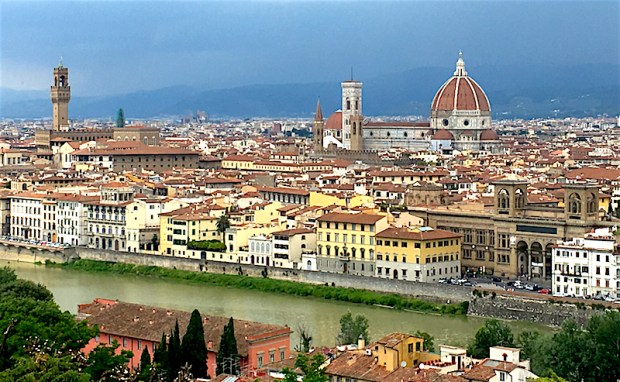
florencecityview800
When thinking about a trip to Florence, be sure to cross the river and walk the streets up the other side for a fantastic view of the city.

For more travel related articles, be sure to return in the next couple of days as I will begin posting from our recent trip to the Cinque Terre in Liguria and Tuscany. In the meantime, read my June 26, 2016, post, Hot outside? Love me some Passaggio Rosé.

And if winemakers, wineries or restaurants are interested in a TalesoftheCork wine and/or food review on the blog, InstagramTwitter and/or Facebook, please send us a request via email: talesofthecork@gmail.com or use DM on social media. TalesoftheCork also offers social media seminars for businesses.

Outsider impacts Burgundy winemaking tradition, Part I

Burgundy winemaking is tradition and viewed as a right. Skills and vineyards are passed down from generation to generation, but occasionally a dreamer or upstart gains a foothold and sets root into Bourgogne’s Côte d’Or.

The Beaune Hospice, founded in 1443, was a place of refuge for orphaned children until 1970. Today the Hospices de Beaune are a testimony to its long history, continue to operate 60 hectares of vineyards and host a wine auction the third Sunday of November.

Born in Paris in 1963 to parents who were strangers to Burgundy, Ulrich Dujardin’s father moved the family to Nancy, France (east of Strasbourg, France) soon after for a job opportunities in the petrol industry. Later the family uprooted and settled in Dijon where Ulrich finished his schooling from 1971-1981. However, as he continued his schooling, working towards an education degree, Ulrich met disabled people in Beaune. The impression impacted him forever.

Ulrich’s father introduced his children to wine at an early age; a common practice for Europeans. His parents enjoyed wine and shared tastes with young Ulrich who gained valuable appreciation for its importance. Wine not only shaped dinner choices but cultural and community events they attended. And wine tasting with his father impressed and provided the impetus for Ulrich to occasionally cutting grapes from vines in the vineyards, influencing and honing early skills. But he could never allow himself to dream of becoming a winemaker. Burgundy winemaking was not in his family’s lineage.

I sat down with Ulrich and his wife Catherine one day in mid June to find out how a man born outside of Burgundy could thrive in a such a small town like Monthelie. In the next couple of posts, Ulrich’s story, despite my poor French skills, are what follows. And while Ulrich’s English is limited, Catherine’s struggle to translate French to English is also a part of the story.

“I grew up knowing about wines and vineyards from my father,” Dujardin said in broken English through his wife Catherine. “He gave me some tastes and I cut some grapes from the vine. This I never forgot.”

But as an outsider, Ulrich never felt or became a part of the winemaking community even after he met Xavier Bouzerand in 1986 of Monthelie, Burgundy, in the Côte de Beaune.

Ulrich Dujardin began to work for Xavier Bouzerand in the vineyards of Monthelie in 1986. The small village and surrounding slopes are 5 KM 3.5 miles from Beaune.

After graduating from school, Ulrich increasingly became interested in working with handicapped people after he took a tour of the Hospices de Beaune: a hospital for the sick and disadvantaged from 1443-1970. Ulrich was moved by the passion of the nurses while visiting the museum and decided to become a handicapped teacher.

Four years later, Bouzerand met Dujardin while Ulrich led a class field trip while working at a Center Aide Travail just outside Dijon. As a teacher who worked with adult handicapped people, Dujardin often took groups to work at temporary jobs. Disabled adults worked in places like woodshops and construction sites, assembly plants and repair shops. They also would help with catering and housekeeping opportunities and labor in the vineyards.

When Bouzerand and Dujardin initially spoke to one another, their communication centered on a handicapped member of Bouzerand’s family. Dujardin’s efforts with adult handicapped people at the non-profit agency impressed Bouzerand and the two men seemed to click; they both shared their expertise, keenly interested in what each other shared. A match was born.

Without a family tradition or land inheritance, Ulrich Dujardin decided to cut back to three days part-time teaching adult handicapped people in 1986. The other four days a week he accepted a position at Domain Bouzerand in Monthelie.

Soon afterwards, and upon Bouzerand’s invitation, Ulrich began making trips to work at the Bouzerand vineyards in Monthelie, about 42 km (26 miles) from Dijon, the region’s capital. At first the visits were on weekends and on holidays from his job at the Center Aid Travail. But within a year, Dujardin committed 50 percent of his time to the winery in Monthelie. He spent Monday through Wednesday working with handicapped adults and Thursday through Sunday working along side Bouzerand.

The aspiring winemaker worked seven days a week between the two business until Bouzerand accepted him as a 50-50 partner, changing the label from a single last name to Bouzerand-Dujardin in 1990.

It became increasingly clear to Bouzerand that his own handicapped son was not able to accept the responsibility of taking over the family winery; as a result, Dujardin’s dream began to emerge. He then focused his full-time energy on the winery. Even if he could not own the land, Dujardin was ready to take charge of a reborn Domain Bouzerand-Dujardin and its eight hectares. He retired from his teaching position in Dijon and its guaranteed salary.

He now became a full-time Vigneron.

Please return in the next couple of days for Ulrich Dujardin: Outsider impacts Burgundy winemaking tradition, Part II.

Burgundy winemaker designs new path

A trip to France is not complete without a food and wine experience. I don’t just mean a lunch or dinner at a village or Parisian cafe, bistro or brasserie, enjoying local cuisine and wine. While that is a large part of the equation, I wanted to meet and learn more about the winemakers and their passion to create the bottles of juice the world has on their tables.

So in June I traveled to Burgundy, France, for a week and spent three days wine tasting, talking with vignerons and wine merchants. I decided to hire Burgundy Discovery’s Robert and Joy Pygott to reacquaint me with the area. My visit five years ago gave me a wonderful overview to the Côte de Beaune and Côte de Nuits, but I wanted the perspective of someone who lived in the region to reeducate me with the Burgundian appellations and regions.

After studying adult handicap education, Parisian-born Ulrich Dujardin became a respected Burgundy winemaker through personal courage, fortitude and vision. His new wine label broke new ground into the often closed community.

During my 2007 visit to Burgundy, my wife and I met Ulrich Dujardin at Domain Bouzerand-Dujardin. This winemaker exuded excitement and passion for his craft and I was moved by his story. He was not a local landowner nor did his family’s history include winemaking. But Ulrich’s enthusiasm and vision for the craft sparked a cord within me. I wanted to meet Ulrich again and learn more about the outsider who became a winemaker in the tiny village of Monthelie, 5 km or 3.5 miles from Beaune.

This year’s visit included an hour presentation of Domain Dujardin’s winemaking process from beginning to end, including Ulrich’s personal attention to an all hand-harvest and natural wine process. But as he spoke about his passion for winemaking, I heard something I did not catch when I spent an hour with him in 2007. Ulrich’s passionate presentation invigorated me because he obviously cared about the process. But I almost missed his side comments on how he hires disabled or handicapped people to help him in the vineyards. And when I checked on his family heritage, it did not include winemaking.

How did an outsider become a winemaker in a region which favors tradition and heritage over the new and upstart?

My first Burgundian TalesoftheCork will post tomorrow. I want to introduce Domain Dujardin and its owner: Ulrich Dujardin. Please return to read “Outsider impacts Burgundy winemaking tradition, Part I.”

Salut!

Lompoc’s Ghetto and Palmina Winery

I planned my first visit to Lompoc, California, and its Ghetto: The Wine Ghetto. I had heard of this industrial park housing 15-20 wineries but couldn’t imagine how or why such a place would be possible. And when my son-in-law moved to Santa Ynez, CA, I had to go see for myself.

Sure enough, no amazing gardens, trees or fountains. No fantastic stone buildings or quaint villages to meander through. At first glance, The Wine Ghettos’ door fronts looked business park-esk without a bunch of semi-trucks parked in front of the bays. How could this be legit?

While my purpose and original intent was to find out how an industrial complex could house world class wineries, I met and was welcomed by Palmina Winery’s owner, Steve Clifton, left. This Wine Ghetto business park is no slum.

The trip from Santa Ynez to Lompoc was only 26 miles. The bonus: A couple of winery visits on the way over. My most notable stop was the Babcock Winery on Highway 246, but that visit will have to be in another post.

So I sighed and parked on the street just down from Palmina Winery. I knew of its owner, Steve Clifton, from his other winery projects, including Brewer-Clifton. In fact, I have six of those pinot bottles in my wine cooler right now. But I was still skeptical… until I walked through the door.

While Palmina’s wine tasting room was small, the familiar sights settled my fears immediately. His staff smiled and seemed genuinely glad I arrived; the smells of fine woods, wine and the familiarity of snacks, (including salami and bread sticks) soon gave way to the excitement of tasting Palmina’s Italian list of reds. I have to admit, I am a red fan.

I researched and became web familiar with Clifton’s Nebbiolo line. My wife is Italian and I spent many evenings at her Grandma Bruno’s house early in our marriage, enjoying the essence of Italia. She proudly plated rich, meaty and savory courses with fresh pasta dishes, including her favorite: gnocchi. Chianti often was served in a carafe. Today, now a young 50-something, I wanted a more substantial wine to take home for special home cooked dinners. The tasting included a lists of 2006 bottles: Nebbiolo Stolpman Vineyard, Sisquoc Vineyard, and Honea Vineyard. I couldn’t resist and bought a Stolpman and Sisquoc. While the tasting showed wonderful aromas of orange peel and cinnamon in the Sisquoc, the rosemary, lavender and pomegranate teased me in the Stolpman-pour. I plan on laying these down for a couple more years…maybe.

The Wine Ghetto in Lompoc, CA, houses 16 wineries representing 20 different brands, including Stolpman Vineyards. While the industrial look may feel cold and uninviting, it is the inside of both the building and the wine bottle that will bring me back again.

I enjoyed my visit at Palmina Winery, plus the many other wineries and Faces at The Wine Ghetto. While I could not visit all 16 wineries, stops at Stolpman Vineyards, Fiddlehead Cellars, Evening Land Vineyards, and the Piedrasassi New Vineland Winery gave me reason to believe the building had little to do with the quality inside. While none of the other winemakers were available, the staff at each winery made sure my visit was an important event.

Steve Clifton was kind enough to hang out with me after he wandered through the tasting room to say hi to some of the other visitors. If his smile and warm personality and enthusiasm to greet strangers is any indication of his love for his family and winery, I am sold on his product. The whole social time was about 30 minutes. He spoke about his passion for creating wine, his kids and why he loves setting up shop at The Wine Ghetto. In fact, he cited fellow winemakers within The Ghetto as worthy competitors for my business.

This short blog post is to encourage a closer web look at wineries and vignerons who create masterpieces we can enjoy today but will even be better tomorrow. Maybe you will risk a drive out to Lompoc. Find out for yourself that excellent wine is being crafted in a business park.

While the goal of TasteoftheCork.com and myself is to broaden wine awareness, my desire is to go beyond that and tell winemakers’ tales not yet told. I plan to return and revisit The Wine Ghetto and the winemakers. This time I will document our discussion and shape a story of passion, struggle, and encouragement to those who find them.

Salut!

P.S. If you get to The Wine Ghetto before I do, tell Steve Clifton that Greg Stobbe at TalesoftheCork will visit soon.

The Palmina Winery is located at 1520 E. Chestnut Ct. Lompoc, Ca 93436. The tasting room can be reached at 1-805-735-2030 or tastingroom@palminawines.com.